
Washoe History
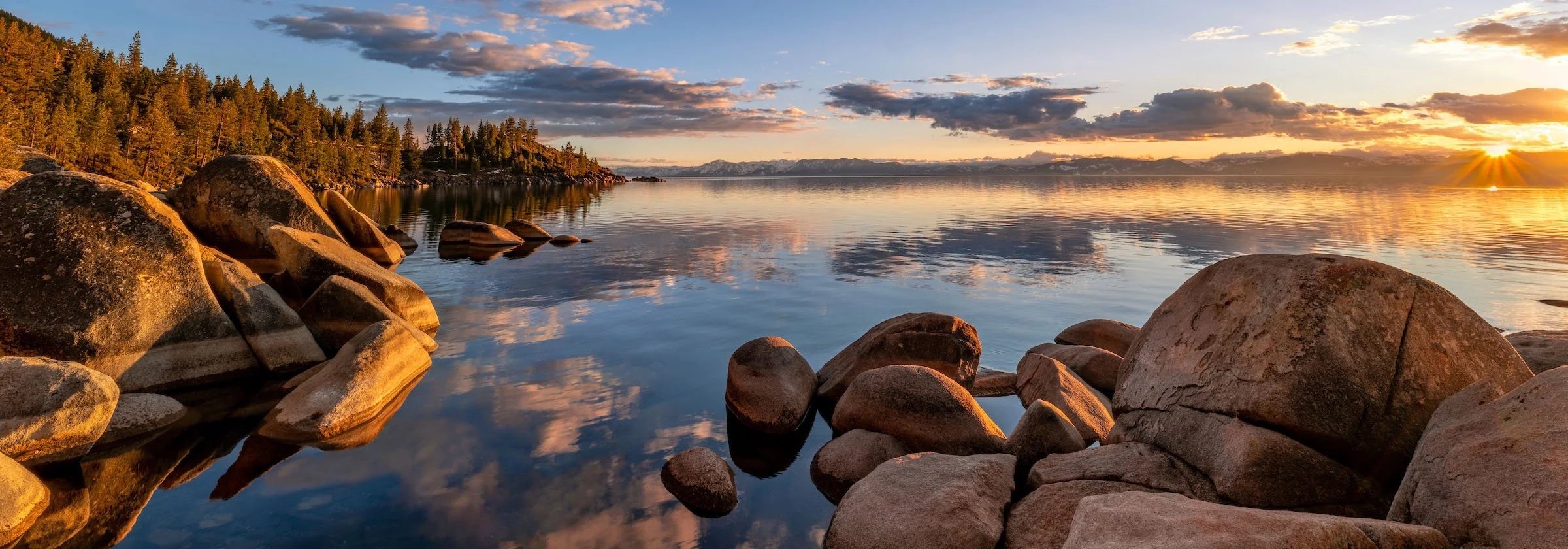
Lake Tahoe © Elizabeth Carmel
The History of the Washoe Tribe and Our Homelands
The geographical and spiritual center of the Wá∙šiw (Washoe) world is dáɁaw (Lake Tahoe). Like most native peoples, our lifestyles revolved around the environment prior to displacement. Our people were part of the environment, and everything was provided by the environment.
Play the audio files to hear the pronunciation of these words.
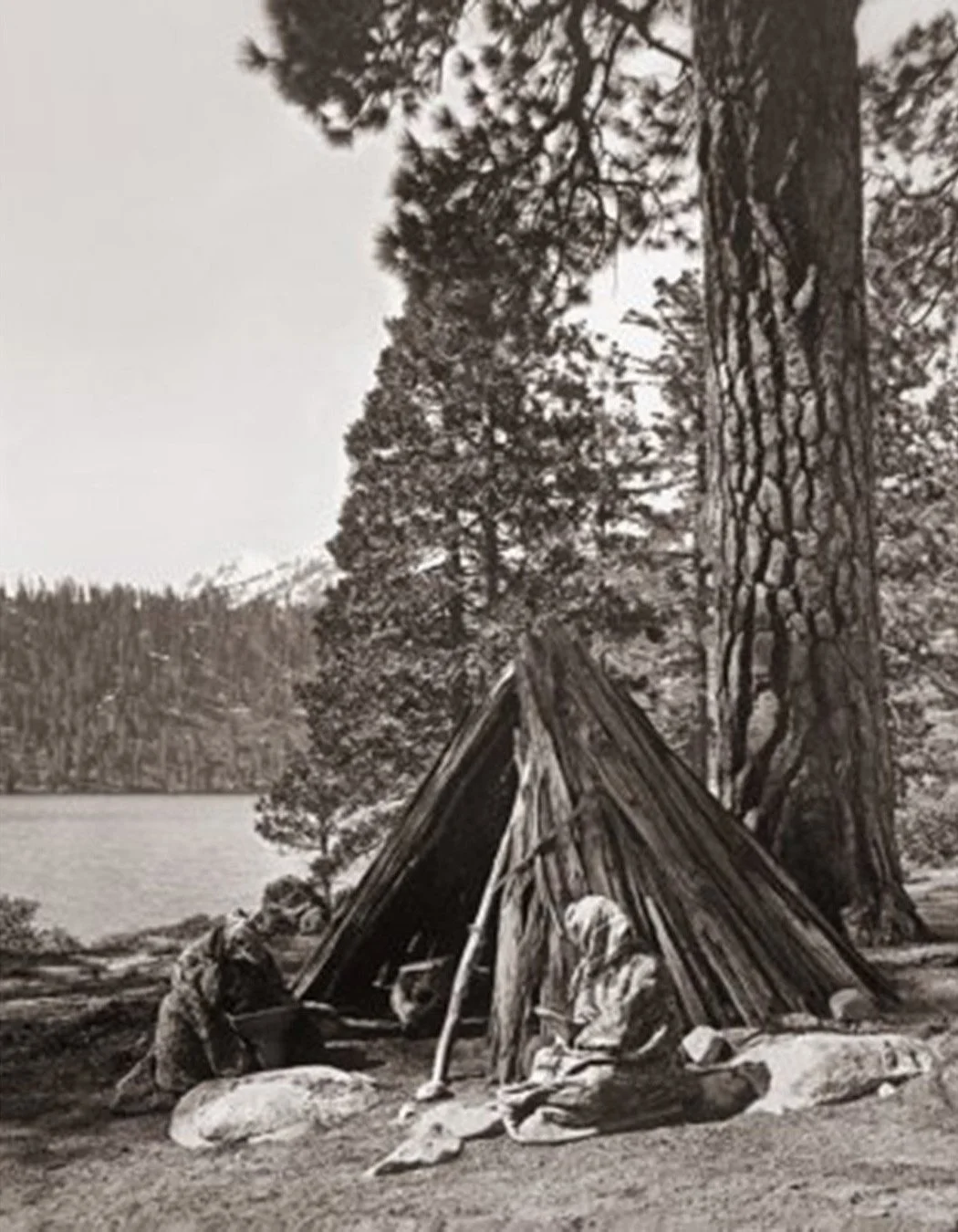
gális dáŋala (Washoe winter hut), courtesy of Washoe Tribe
The Wá∙šiw are a distinct people who share commonalities with both the Great Basin and the California Cultures. The four directions of Wá∙šiw territory were occupied by different bands of the Wá∙šiw that made up the whole of the tribe. Although one tribe, each band was unique in its own area of occupation with subtle differences in cultural diversity and language patterns.

Washoe woman and child at the lake, courtesy of Washoe Tribe
During the California gold rush and the Nevada silver rush in the 1800s, thousands of miners and immigrants flooded Wá∙šiw lands in a relatively short time period. These immigrants stayed here and disrupted the ecological balance we had depended on and supported since time immemorial, changing the Wá∙šiw world forever in only a few short years.

John and May Anthony and Gogo, courtesy of Nevada Historical Society
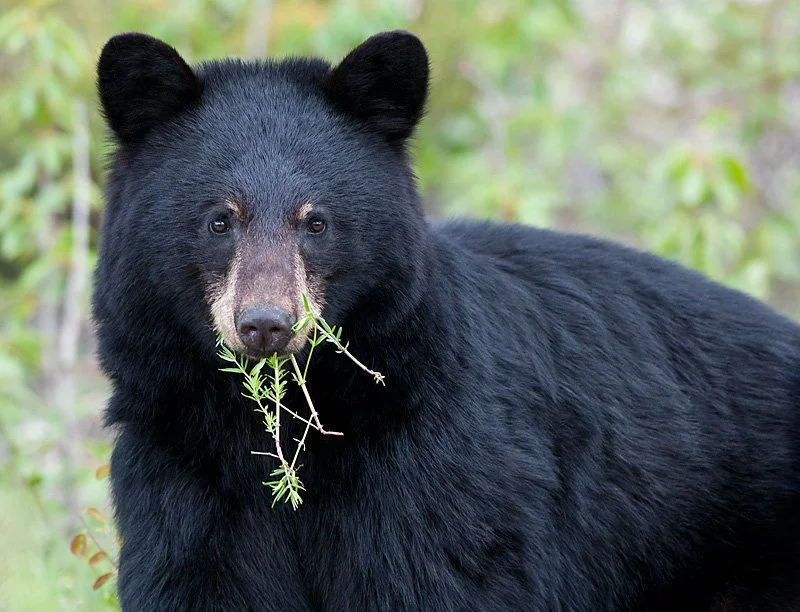
Black bear, Dan Newcomb
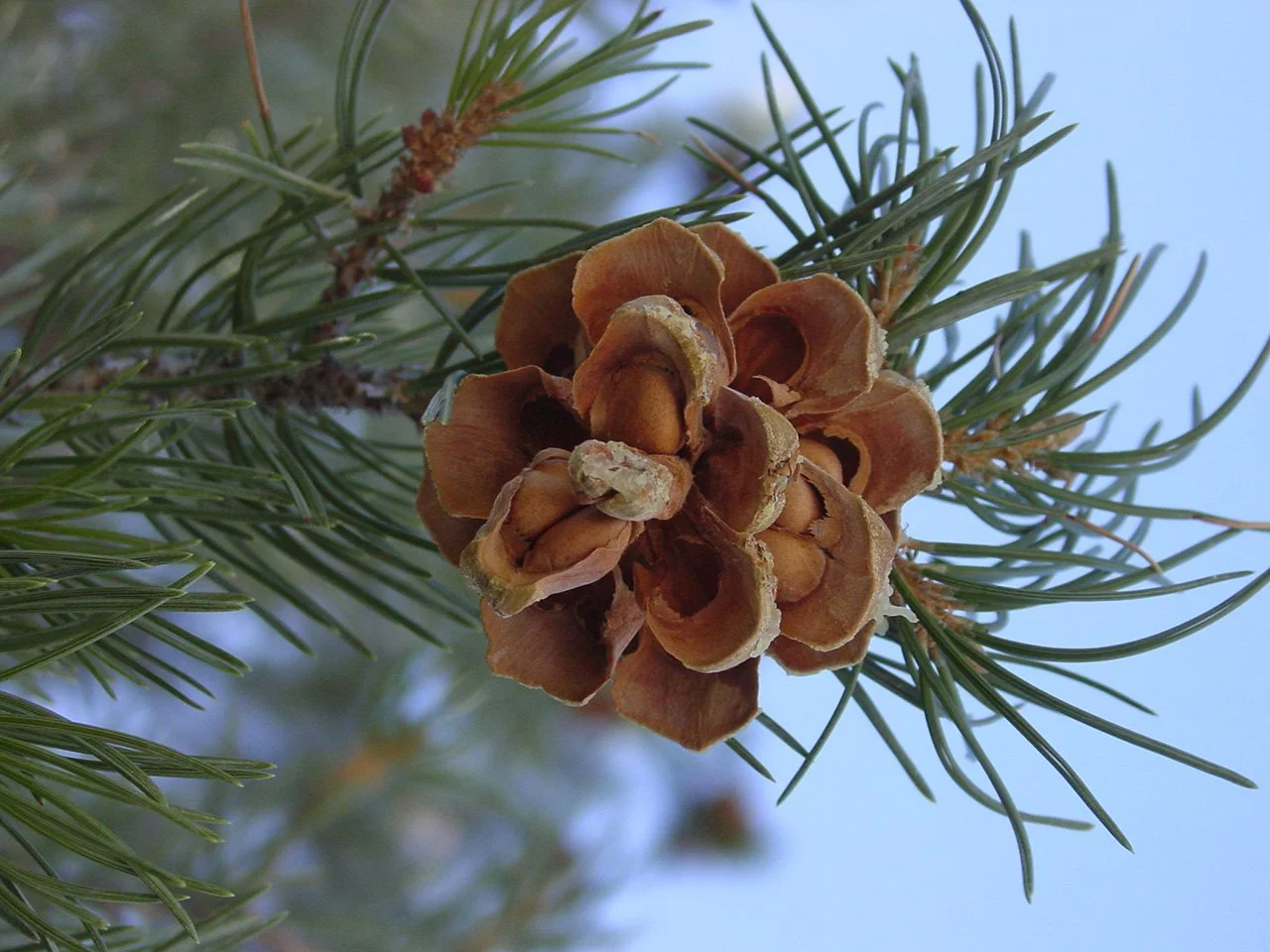
Pinyon pine nut
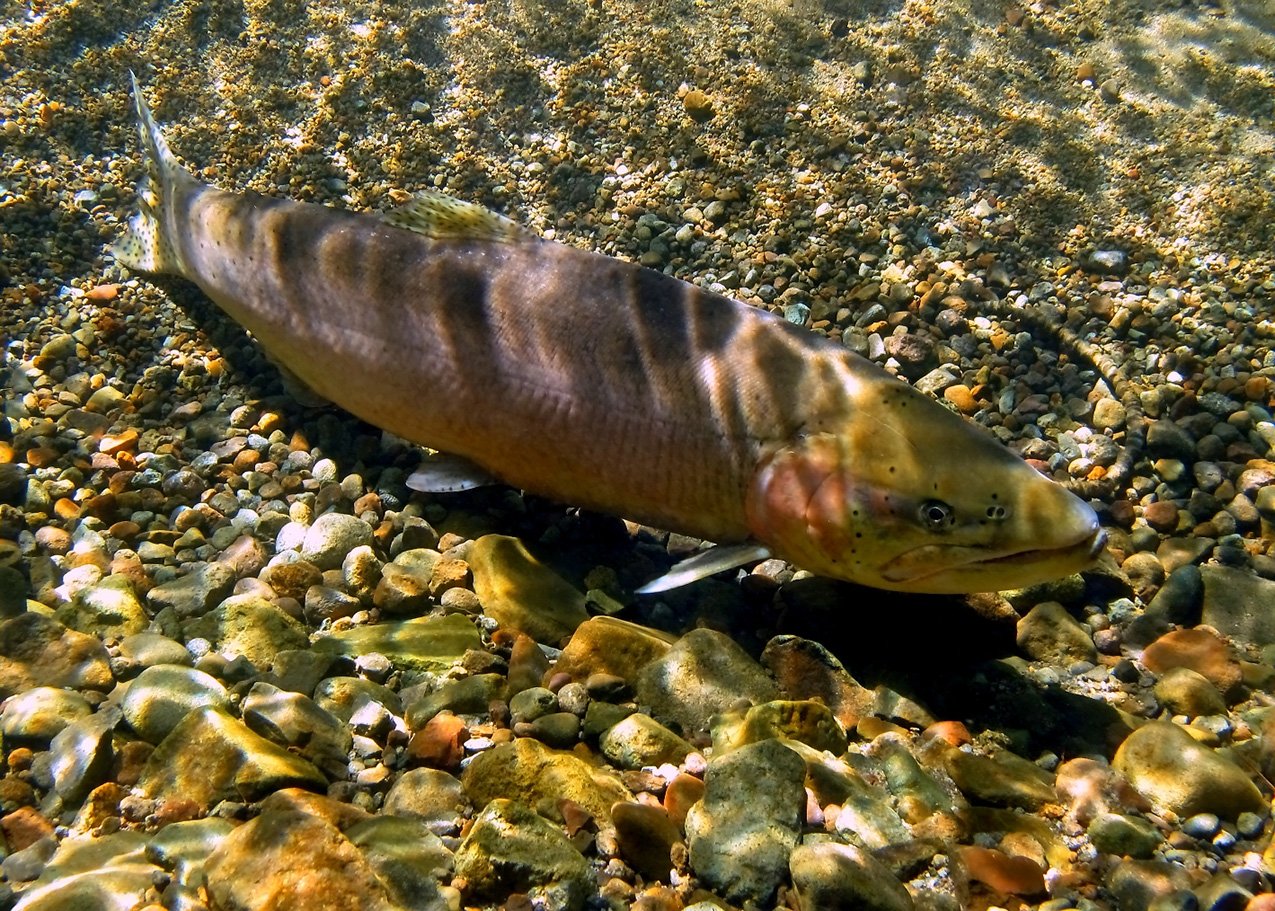
Lahontan cutthroat trout, Mark Hereford
By Our Tribe,
For Our Tribe

Susie “Pony” Washoe with a seed beater in Sierra Valley, courtesy of Wilbur Smith
The Wášiw-šiw Land Trust acquires and restores land throughout the Washoe homelands. Each acquisition is an opportunity for healing, for our people and for the land.
Returning lands to Washoe ownership and stewardship allows us to restore the abundance of culturally important plants and wildlife, protect sacred sites and re-establish gathering places and ceremonies. It also allows us to cultivate and diffuse Washoe Ecological Knowledge and nurture the well-being of tribal members through immersive language, cultural and lifeways.
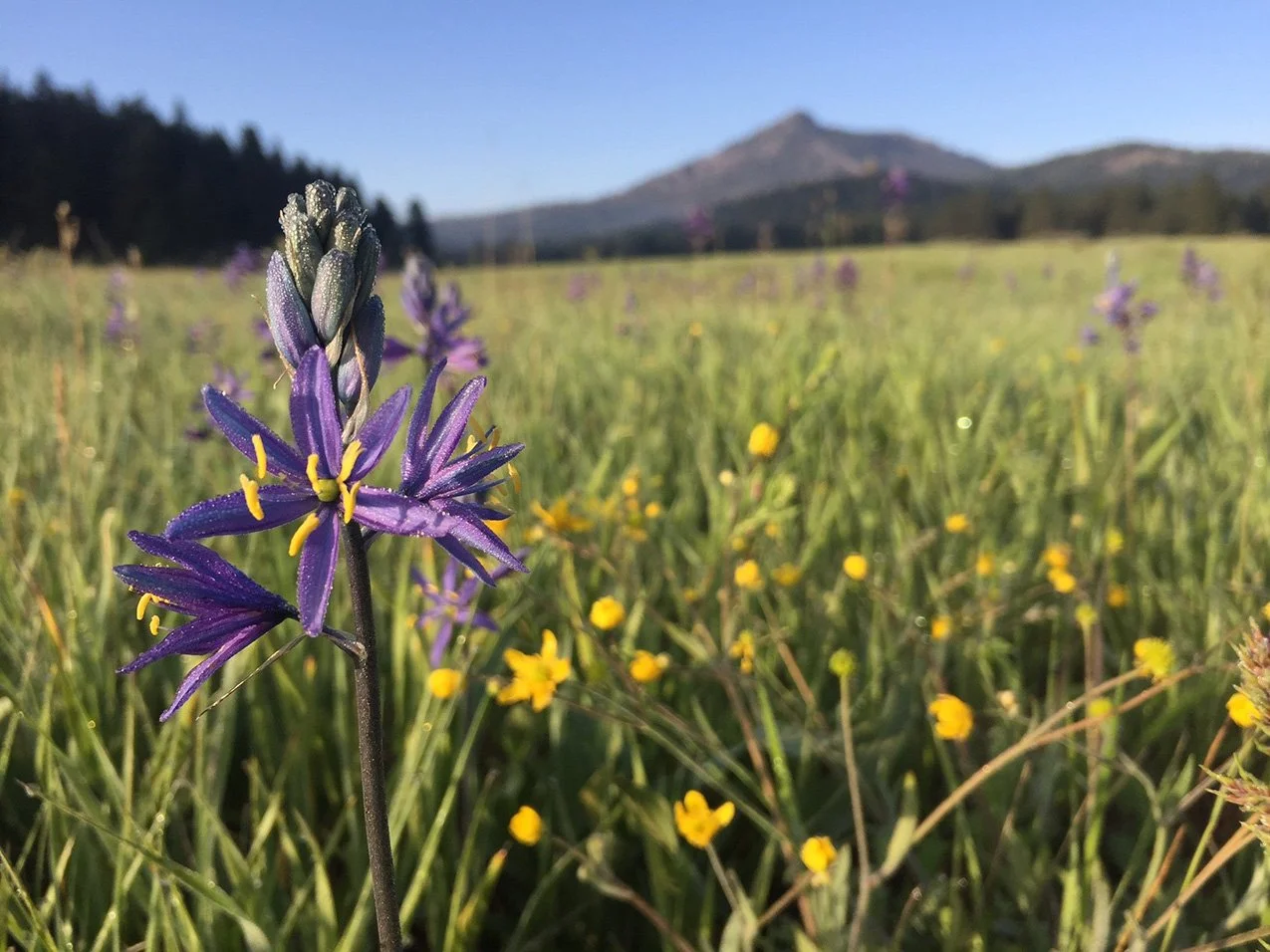

Camas, Vanessa Vasquez
Wild rose, Lucy Blake